Table Of Content
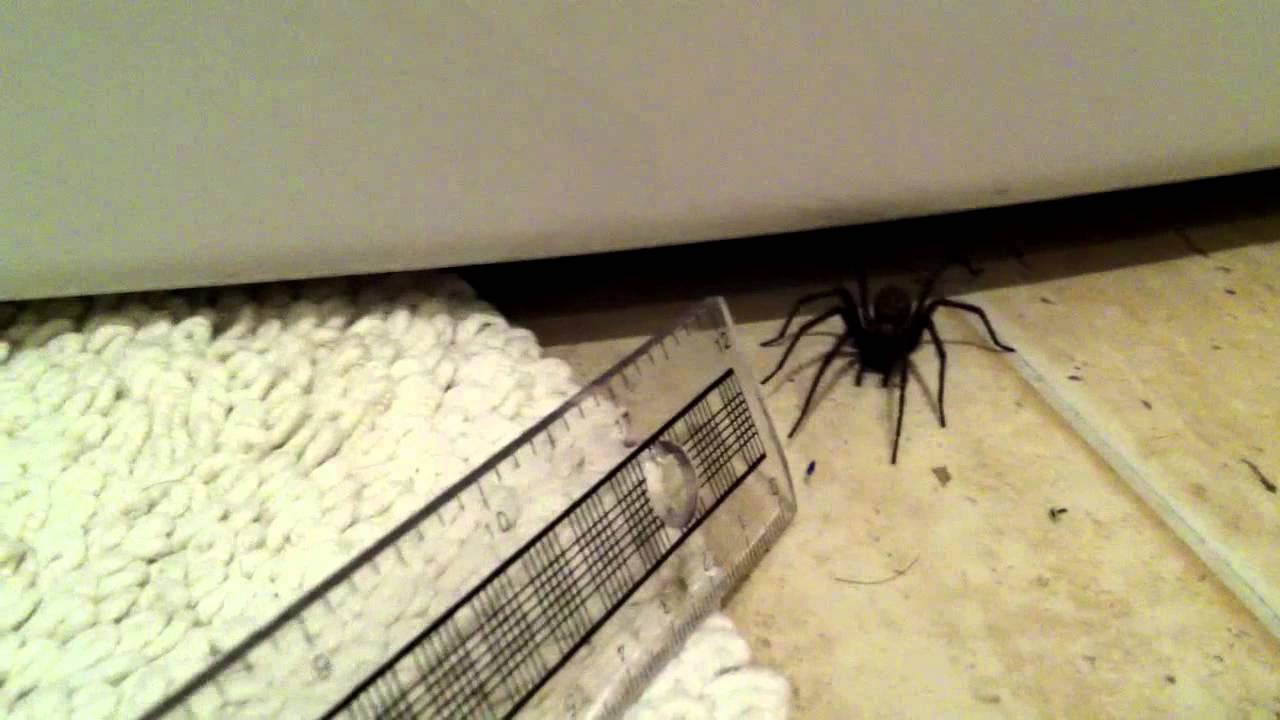
The good news is that spiders are easy to control yourself, says Crumbley. If you are not comfortable or able to address spider concerns however, many pest control companies offer spider control as an included part of their service. Also called crevice weaver spiders, the brown spiders thrive in warm environments.
It’s that time of year again: Spider season is here. What to know about western WA spiders - Tacoma News Tribune
It’s that time of year again: Spider season is here. What to know about western WA spiders.
Posted: Tue, 05 Sep 2023 07:00:00 GMT [source]
Hobo Spider Pest Control
Jumping Spiders are part of the largest family of spiders in the UK. They have excellent eyesight and use it to help them jump on their prey when hunting. In the UK, these spiders are predominantly found in the South and prefer to hide in shrubbery and trees as opposed to on the ground, where they feel more vulnerable. UK spiders often take up residence in our homes and gardens, but tend to stay out of sight (and mind).
What Attracts Large Spiders?
However, depending on the color of the flower where the small garden spiders hunt, the spiders can be white or yellow. The cross orb-weaver spider is commonly found in southern gardens, meadows, and wooded areas in the southwestern United States. These web-spinning orange spiders catch prey in their large, wheel-shaped ornate webs. The black and yellow garden spider is a large and striking arachnid with a distinctive black and yellow coloring. The spider’s identifying features are its egg-shaped black bulbous abdomen with yellow spots and black and yellow banded legs.
Giant house spiders set to invade homes across UK as species enters mating season - The Independent
Giant house spiders set to invade homes across UK as species enters mating season.
Posted: Mon, 11 Sep 2023 07:00:00 GMT [source]
Hobo Spider Habitats and Habits
Brown Recluse spiders can be identified by the violin-shaped markings on their back, which leads to their commonly being referred to as fiddleback or violin spiders. They only have six eyes arranged in pairs in a semicircle, as opposed to the regular eight. The cross orb-weaver spider is a distinctive orange spider with a white cross-like pattern on its abdomen. Identifying features of this unusual spider are its yellow and orange banded leg covered in spines, a small head, and two orange chelicerae. The orange cross orb-weaver spider measures 0.26” to 0.79” (6.5 – 20 mm) long. Although the spider can bite, its venom is not considered dangerous to humans.
Widow Spiders
Many times this happens by mistake, when they get caught in bedding or clothing. The Carolina wolf spider is found throughout the southeastern United States, where it prefers to live in grassy areas hunting small insects and invertebrates. Hobo spiders have a unique eye arrangement, with two large eyes closely spaced together. In general, Crawford says, only about 5% of the spiders you see inside a building have ever set foot outdoors.
Ecological Importance and Behavior of Giant House Spider
Luckily, even if they did bite, their venom is not harmful to humans. These small creatures start out life in an egg sac and reach maturity in about a year. The giant house spider often has a distinctive leaf-shaped pattern on its abdomen. Sealing potential entry points may not affect house spiders, since they don't sneak in from outside, but it could limit incursions by other spiders. And if it also prevents insects from getting inside, it may indirectly reduce your house spiders by limiting their food supply. Various myths suggest house spiders are repelled by osage orange, horse chestnuts, or even copper pennies, but Crawford is doubtful.
Geographic Range of the giant house spider in the United States and its habitat
Males and females cohabitate and mate over a period of several weeks. Giant house spider females spin sheet-like cobwebs into where the female typically constructs one or more egg sacs during her lifetime. Each egg sac will contain from eggs; however, only about 1-2 percent of the spiderlings that hatch will survive to reach adulthood. The life cycle of giant house spiders includes the egg, spiderling, and adult stages.
The cellar spider is easy to spot in homes because of its long spindly legs and tiny, egg-shaped, brown body. Although this small brown spider only measures 0.08” to 0.39” (2 – 10 mm), it has an enormous leg span of 2” (50 mm). In addition, the small spider has six eyes arranged in groups of three. The black house spider is identified by its dark gray to black oval abdomen covered in tiny white markings. Also, the spider has a huge leg span of 1.1” (28 mm), making it appear larger.
Wolf Spiders
Instead, they are typically more of a nuisance pest due to the messy webs they spin in corners, closets, and other dark areas. An interesting relationship exists between giant house spiders and the more infamous hobo spiders. Field professionals have noted that giant house spiders help to prevent hobo spiders from becoming established inside homes and businesses. They do this by out-competing hobo spiders for prey and preferred living space, and male giant house spiders often kill male hobo spiders. One of the most abundant house spiders is Parasteatoda tepidariorum, aka American house spider, which is native to North America but now found around the world. Measuring 4 to 8 millimeters long, these yellowish-brown spiders have a tall, round abdomen and two rows of four eyes.

An average female spider lives for 2-3 years with some individuals living for up to six years. During the colder winter months, the spider often seeks refuge inside people’s homes. The fact that the spider is often found in or around homes has earned it its common name. Spotting a spider in your immediate vicinity can be a little intense, especially if you have a major fear of the creepy crawlers. With so many kinds of eight-legged bugs running around (nearly 3,000 species in North America alone!), the most common house spiders are bound to pop up in your abode from time to time.
With long, slender legs, the Spitting Spider has a distinctive 'slow walking' behaviour. Rather than catching its prey in a web, it attacks flies and mosquitoes by spitting a mixture of sticky silk to capture them. This is another UK spider you are more likely to find outdoors than in your home. The common Crab Spider is most frequently seen from March to August all over the country and their preferred habitat is low-lying vegetation.
Sealing all cracks, gaps and crevices that provide access inside the home is an important way to prevent giant house spiders from wandering into the structure. Seeing a spider in your home may give you the heebie-jeebies, but they are common in California homes. For the most part, these house spiders in California are harmless, but it helps to be able to identify these eight-legged creatures when you see one. This is a list of common house spiders found in the state of California.
The giant house spider was introduced to British Columbia, Canada, around 1900 and has since spread out along the U.S. Independent populations have also been recorded around the Great Lakes in Wisconsin and Michigan. The brown recluse spins disorderly webs and inhabits dark, quiet places in homes, typically where there is cardboard. Inside the homes, black widows usually lurk in dark, dimly lit places like crevices, closets, cluttered areas, basements, and attics. Sac spiders vary drastically in coloring and are sometimes confused with other spiders due to shades ranging from yellow to brown to green.
As their name suggests, these spiders often occupy basements, sheds, garages, and even cellars if you have one. Most types of Cellar Spiders have disproportionately long legs and small bodies. If you still can't stand house spiders, it is possible to keep them in check without losing your cool. Instead of resorting to pesticides, smashing, or other potentially lethal methods (like a vacuum cleaner), try to stay ahead of population booms by limiting suitable habitats. Check windows, eaves, and other popular spider hangouts, and remove any cobwebs you find. This probably won't eliminate your house spiders, but it might drive them to lower-profile haunts like a shed, garage, or crawlspace.
Harvestmen generally have the long, thin legs of their name, but their bodies are fused, giving the appearance of one long oval structure. Pholcidae have cylindrical abdomens, and are gray to brown with banding or chevron markings. Wolf Spiders are usually found on the ground and under stones in a variety of habitats, from woods, fields, and gardens to beaches or even riverbank gravel beds.
Prevention methods begin with locating possible entry points and sealing them. Following exclusion, homeowners should clean thoroughly to remove cobwebs and egg sacs. American House spiders are common all over North America, and are the most commonly-encountered spider in the U.S. They like dark, moist, interior spaces where they can build their webs, which have the look of classic Halloween cobwebs.




No comments:
Post a Comment