Table Of Content
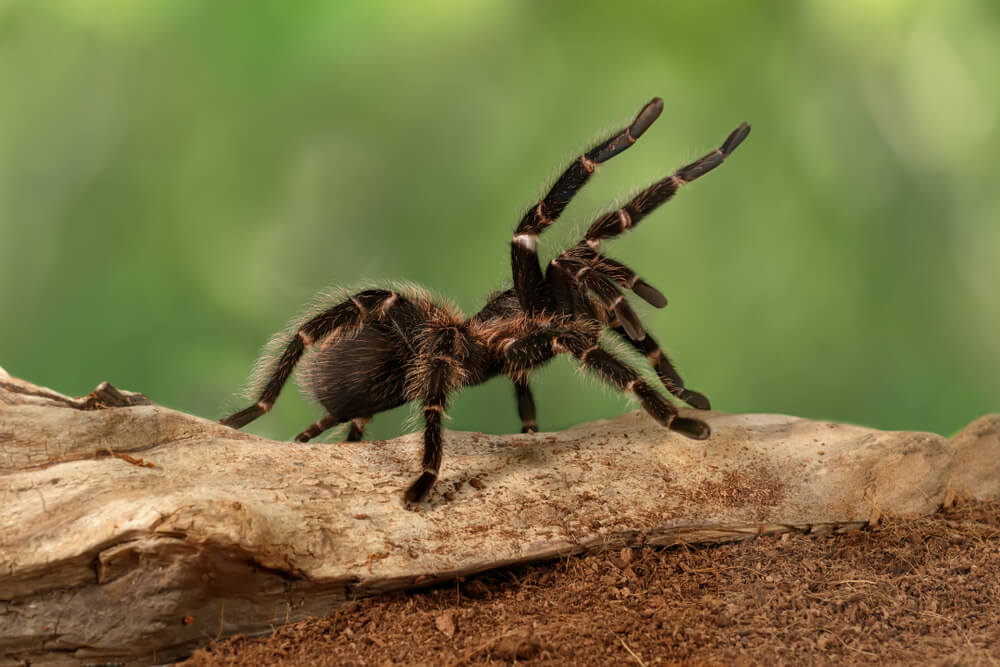
More often than not, those behaviors are a sign that your spider is getting ready to molt—a perfectly normal occurrence. During a molt, a tarantula sheds their exoskeleton and forms a new one. And many spiders molt while lying on their backs with their legs curled up, which some owners who aren’t familiar with the process can mistake for a spider dying.
Tliltocatl albopilosus
This species makes for an excellent display T as adults because they spend a lot of time out of their hide and on display. They look very cool with their fluffy appearance are are very popular with people that have little to no exposure to tarantulas. Your primary monthly cost when keeping a curly hair tarantula will be their diet. Expect to pay around $5 to $10 per month, though you often can decrease this cost by raising crickets yourself rather than purchasing them from a pet shop.
Curly Hair Tarantula temperature
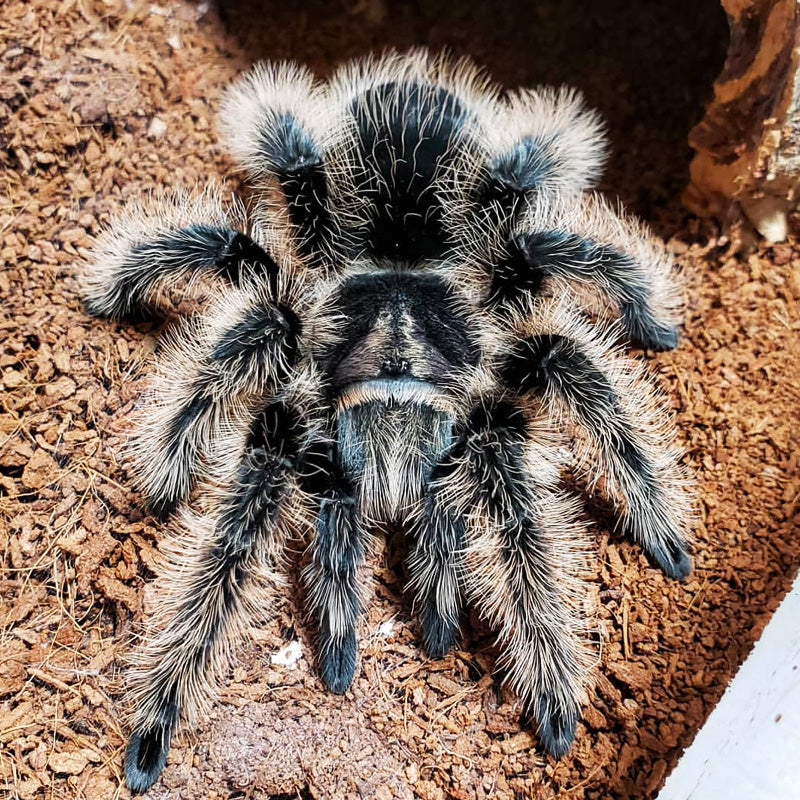
These spiders love to burrow, so the tank needs to have a fair bit of depth to it, as they generally need at least 3 inches of substrate. The Honduran Curly Hair Tarantula has a plump, round body that’s covered in small bristles. The bristles usually start off on the lighter side when the spider is young, but they tend to darken as the animal ages. After successful copulation, the female Curly Hair Tarantula will begin to develop eggs within her abdomen. She will construct a silk egg sac, where she deposits the fertilized eggs and guards them vigilantly.
Curly Hair Tarantula Care: Top Advice
Curly Hairs molt often, and humidity needs to good every single time. They have a shorter lifespan than females and are capable of maturing before three years old. Because not all veterinarians specialize in exotic pets, make sure there is a vet near you who will see a tarantula before you acquire one. In addition to being beautiful and quite interesting to watch, Honduran Curly Hair Tarantulas are fun and rewarding to own. It doesn’t take much skill or effort to keep one alive, so they are a great place to start if you hope to move deeper into the world of spider ownership.
How to handle your curly hair tarantula
Specialty salons for your special hair: Say I 'do - SFGATE
Specialty salons for your special hair: Say I 'do.
Posted: Fri, 25 Jul 2014 07:00:00 GMT [source]
If the pairing is successful, the female will make a cocoon 1 to 3 months after mating. You can remove this cocoon 4 to 5 weeks later, storing it in a secure location with 80-90% humidity and a temperature of 75°F to 82°F. Be sure to remove any uneaten food after 24 hours, as the insects can contaminate the tank and even possibly injure the tarantula. You should achieve those temperatures using a heating pad or other artificial means, as the enclosure should be kept out of direct sunlight. They also have urticating hairs that they can flick at predators if feeling threatened.
Tliltocatl albopilosum (Curlyhair Tarantula) Information + caresheet
However, you should know that it is prone to developing a bald spot on its abdomen due to repeated kicking. When feeding young tarantulas crickets, most experienced keepers recommend killing the crickets first so that there’s no possibility of them kicking the spider and injuring it. The humidity level is important for your pet’s well-being, especially during hot months. Make sure the tarantula you choose is alert and in good body condition.
90 Day Fiancé: The Real Reason Rob Warne & Sophie Sierra Separated - Screen Rant
90 Day Fiancé: The Real Reason Rob Warne & Sophie Sierra Separated.
Posted: Mon, 18 Mar 2024 07:00:00 GMT [source]
This type of substrate will allow your pet to burrow through the substrate, ensuring proper humidity and temperature. You can use a heating pad under the tank to maintain the appropriate temperature, which you should monitor regularly with a thermometer. Moreover, this tarantula needs a humidity level in their tank that's around 65-70% percent, which you can measure with a hygrometer. If you need to raise the humidity, mist the tank with clean water in a spray bottle. The venom of a curly hair tarantula's bite typically causes a local reaction in people that's similar to a bee sting.
Appearance
In this section, we will discuss the minimum enclosure size, suitable substrate options, and temperature and humidity requirements for Curly Hair Tarantulas. I always make sure I remove any uneaten prey 24 hours later and never leave uneaten pieces of prey in the enclosure to help prevent mold and mites. Like any animal, curly hair tarantulas need physical activity to stay healthy.
If the room you keep the spider is a comfortable room temperature for us humans, then it will be fine for your Curly Hair. The ground keeps them cooler than the air during the heat of the day, which is one of the reasons they make burrows. Also, the ground retains heat from the sun at night better than air does. When the eggs hatch, you should have between 300 and 800 spiderlings — so make sure the lid is on the enclosure tightly. However, this is also how they behave when they’re about to molt, so you may want to wait to see if they shed their skin before you try to track down a tarantula doctor.
The tarantula will gradually emerge from its old exoskeleton, revealing a soft and vulnerable new one. It is crucial to give your tarantula ample time to harden its new exoskeleton before resuming normal care. Calcium supplements can aid in the development and maintenance of strong exoskeletons. Dusting the prey items with a calcium supplement before them to your tarantula is an effective method of supplementation. However, it is important not to overdo it, as excessive calcium can be harmful to your tarantula. Curly Hair tarantulas are quite easy to handle and are not skittish by nature.
Occasional substrate changes and replacing other worn items in the enclosure can run around $10 to $20. Keep pet tarantulas away from any other animals in the house, as well as children who might inappropriately handle them. Curly hair tarantulas are solitary animals and shouldn't even be housed with other spiders of their own species.
Honduran Curly Hair Tarantulas are a hardy species, so they aren’t likely to suffer many health issues. They may well stay healthy for the entirety of their lifespan, in fact. You shouldn’t make any sudden moves around them, though, as they’re quite easily frightened. If you handle them (which isn’t advisable because dropping them can kill them and their hairs can irritate your skin), then be careful to stay calm and move carefully. These tarantulas tend to be laidback, especially once they’ve fully matured. Juvenile tarantulas are a bit more skittish and prone to hide, but once they become comfortable around you, they’ll be happy to stick around and let you take a gander at them.

No comments:
Post a Comment